
Owning a home is one of the most meaningful investments a person can make. A house provides stability, comfort, and a place where families build memories. However, maintaining a home requires planning, awareness, and regular attention. Every part of a home—from the roof overhead to the plumbing beneath the floors—plays a role in protecting the structure and keeping residents safe.
Many homeowners only think about repairs when something breaks. In reality, the best approach to homeownership involves prevention. Routine maintenance, timely upgrades, and thoughtful planning help reduce costly surprises while improving the long-term value of a property.
This guide explores essential aspects of home maintenance, including roofing, plumbing, basements, landscaping, environmental responsibility, water systems, and property transactions.
The Value of Preventative Home Maintenance
Preventative maintenance is one of the most effective ways to protect a home and avoid costly repairs. Small problems rarely appear overnight. Instead, they develop slowly over time as materials age, weather conditions take their toll, and everyday use creates wear and tear. By addressing issues early, homeowners can prevent small concerns from turning into major structural problems.
For example, a tiny roof leak may not seem serious at first. However, if it goes unnoticed for months, it can eventually lead to mold growth, damaged insulation, rotted wood framing, and even electrical hazards. The same is true for plumbing systems, foundation cracks, or deteriorating landscaping. Early intervention is always easier and more affordable than large-scale repairs.
A preventative approach focuses on regular inspections and proactive maintenance. Instead of waiting for something to break, homeowners schedule routine checkups and repairs to keep their property functioning properly.
Some of the most important maintenance areas include:
- Roofing inspections
- Plumbing checks
- Basement moisture control
- Tree and landscape management
- Material recycling and waste reduction
- Structural and environmental testing
Roof inspections help identify worn shingles, damaged flashing, or clogged gutters before water intrusion becomes a problem. Plumbing checks can reveal small leaks or aging pipes that may eventually burst. Monitoring basement moisture helps prevent mold growth and foundation deterioration. Landscape maintenance is also important. Trees growing too close to a home can damage roofing materials, interfere with drainage systems, or threaten power lines during storms. Responsible trimming or removal ensures that landscaping improves the property rather than creating risks.
Another important but often overlooked aspect of maintenance is responsible material disposal. Renovations and repairs often produce scrap metal, siding materials, or old fixtures. Participating in programs such as aluminum recycling helps reduce waste while allowing valuable materials to be reused rather than sent to landfills. Additionally, structural materials can deteriorate over time due to environmental exposure. Moisture, chemicals, and weather can weaken metal supports or pipes. Professional inspections that include corrosion testing can detect hidden structural concerns before they become serious safety risks. Addressing these areas regularly helps homeowners maintain safety, comfort, and efficiency. Homes that receive consistent care often last longer, maintain stronger property values, and provide a safer environment for the people who live in them.
Protecting Your Home With Reliable Roofing Care
The roof is one of the most critical components of any home. It serves as the primary barrier between the interior of the house and the outside environment. Rain, snow, wind, and sunlight constantly impact roofing materials, gradually weakening them over time. Because the roof protects every other part of the home, even minor damage should be taken seriously. If you notice missing shingles, water stains on ceilings, or damaged flashing, it may be time to schedule local roof repair. Addressing roofing problems early prevents water intrusion and protects insulation, drywall, and structural framing.
Water entering through a damaged roof can quickly spread throughout the structure. Moisture may travel through attic spaces, wall cavities, and ceilings before it becomes visible. By the time stains appear on interior surfaces, the underlying damage may already be extensive.
Regular roof maintenance may include:
- Replacing worn or damaged shingles
- Cleaning gutters and downspouts
- Checking attic ventilation
- Inspecting flashing around vents and chimneys
Gutters play an especially important role in roof protection. When gutters become clogged with leaves and debris, rainwater can back up beneath roofing materials and seep into the home. Keeping gutters clean ensures proper drainage and reduces the risk of water damage.
Attic ventilation is another key factor. Poor ventilation can trap heat and moisture beneath the roof, which accelerates shingle deterioration and encourages mold growth. A well-ventilated attic helps extend the lifespan of roofing materials.
Certain homes require specialized roofing expertise. Historic houses or high-end properties sometimes feature slate roofs, which are known for their durability and distinctive appearance. Slate roofs can last for decades, but they require proper installation and maintenance.
These roofing systems often require professionals such as slate roof specialists who understand how to properly repair and maintain this traditional material. Unlike standard asphalt shingles, slate tiles must be handled carefully to prevent cracking or improper installation.
By scheduling regular inspections and addressing small problems quickly, homeowners can extend the life of their roof and protect their entire home from weather-related damage.

The Hidden Importance of Plumbing Systems
Plumbing systems quietly support everyday activities such as cooking, bathing, and cleaning. Because most pipes are hidden behind walls or beneath floors, problems can develop without immediate warning.
Common plumbing concerns include:
- Slow leaks inside walls
- Corrosion inside older pipes
- Low water pressure
- Pipe cracks during freezing temperatures
If homeowners notice water stains, damp drywall, or unusual water bills, it may indicate a hidden leak. In these cases, professional local pipe repair services can identify the source of the problem and prevent further damage.
Routine plumbing inspections help avoid emergency repairs while ensuring that the home’s water system remains efficient.
Basement Renovations and Expanding Living Space
Many homes include unfinished basements that are used only for storage. However, with proper planning, basements can become valuable living areas.
A professional basement refinish project can transform unused space into:
- Guest bedrooms
- Entertainment rooms
- Home offices
- Fitness areas
- Playrooms for children
Before finishing a basement, homeowners should address potential moisture concerns. Waterproofing, insulation, and proper ventilation are essential steps that help prevent mold growth and structural damage.
Finished basements not only increase comfort but can also raise property value.
Water Access and Rural Home Infrastructure
Homes located in rural areas often rely on private wells instead of municipal water systems. A reliable well provides a steady water supply for drinking, bathing, and irrigation.
Professional well drilling companies specialize in installing and maintaining these systems. Their services may include:
- Drilling new water wells
- Pump installation
- Well inspections
- Water pressure adjustments
- Maintenance and repairs
Ensuring a properly functioning well is essential for maintaining safe and consistent water access in rural properties.
Environmental Responsibility and Recycling
Modern homeowners are increasingly focused on sustainability. Recycling construction materials helps reduce waste while supporting environmental conservation.
One valuable example is aluminum recycling. Aluminum is widely used in home construction, including siding, gutters, roofing materials, and window frames. Recycling aluminum helps reduce landfill waste and lowers the environmental impact of construction projects.
Recycling can also provide financial benefits. Many recycling facilities pay homeowners or contractors for scrap aluminum and other reusable materials.
Responsible disposal of building materials is an important step toward creating more sustainable communities.
Structural Integrity and Material Testing
Many homeowners focus on visible aspects of their home, but hidden structural elements are just as important. Materials such as metal supports, fasteners, and piping may gradually weaken due to environmental exposure.
Professional corrosion testing helps identify deterioration in metal components before they fail. Testing can detect corrosion in areas such as:
- Structural steel supports
- Reinforced concrete structures
- Water piping systems
- Industrial building components
Early detection of corrosion can prevent structural damage and reduce the need for expensive repairs later.
Landscape Safety and Tree Management
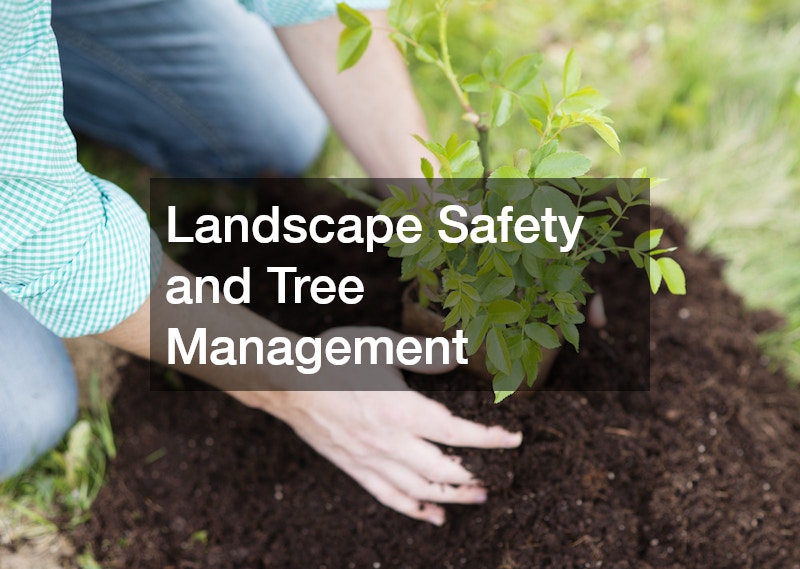
Trees can greatly enhance the beauty of a property. They provide shade, improve curb appeal, and support local ecosystems. However, poorly maintained trees can pose safety risks.
Dead branches or unstable trees may fall during storms, damaging homes, vehicles, or nearby structures. When trees become hazardous, professional help from a tree removal company may be necessary.
Common reasons homeowners seek tree removal services include:
- Storm damage
- Diseased or dying trees
- Roots damaging foundations
- Overgrown branches near roofs
Maintaining healthy trees while removing dangerous ones helps protect both property and personal safety.
Understanding Real Estate Transactions and Title Services
Buying or selling a home involves complex legal and financial processes. One critical part of this process is ensuring that the property title is clear and legally transferable.
A local title company helps verify ownership records, conduct title searches, and manage closing documentation. Title professionals also issue title insurance policies that protect buyers and lenders against potential ownership disputes.
Working with experienced title professionals ensures that real estate transactions proceed smoothly and that buyers receive full legal ownership of their property.
Education and Community Considerations When Choosing a Home
When families choose where to live, they often consider nearby schools and educational opportunities. Access to strong educational programs can influence both lifestyle and property values.
For families with children, proximity to a local private middle school can be an important factor when selecting a neighborhood. Schools contribute to the character of a community and often serve as hubs for activities, events, and social connections.
Homes located in desirable school districts frequently maintain higher property demand and resale value.
Creating a Long-Term Home Maintenance Plan
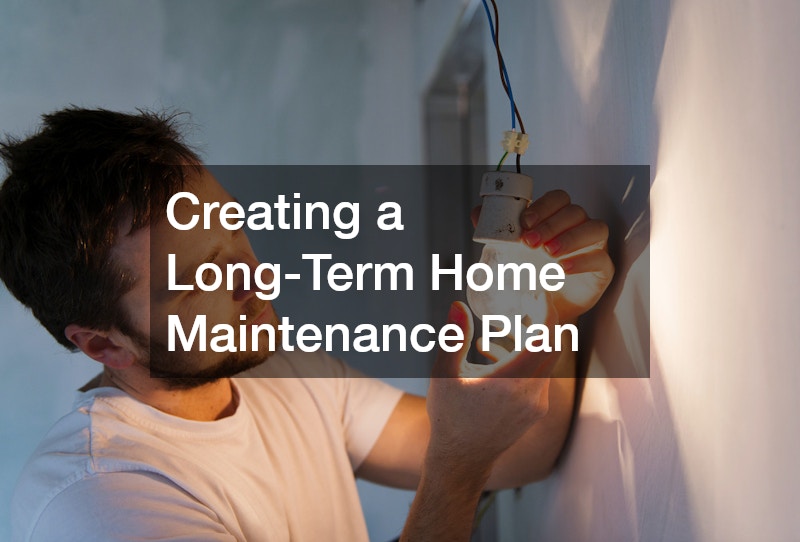
Managing home maintenance can feel overwhelming, but creating a simple yearly plan can make the process easier. Homeowners can divide tasks by season to ensure that important systems receive attention throughout the year.
Spring maintenance tasks may include:
- Inspecting the roof after winter weather
- Checking basement moisture levels
- Servicing plumbing systems
- Inspecting landscaping and trees
Summer projects often involve exterior improvements, deck maintenance, and siding repairs.
Fall maintenance may include gutter cleaning, furnace inspections, and winter preparation.
Winter is a good time for indoor improvements such as basement renovations or interior repairs.
Following a seasonal maintenance schedule helps homeowners stay organized and prevent unexpected issues.
Balancing Repairs, Upgrades, and Budget
Many homeowners struggle with deciding which home improvements to prioritize. While cosmetic upgrades can improve appearance, structural repairs should always take priority. A home that looks beautiful on the surface can still develop serious problems if essential systems are neglected.
A good rule of thumb is to focus first on:
- Roofing and exterior protection
- Plumbing and water systems
- Structural safety
- Moisture control and insulation
Addressing these areas first protects the home’s foundation and core systems. For example, fixing a roof leak or replacing aging pipes will prevent larger damage that could cost thousands of dollars later. Moisture control and insulation are also essential for maintaining energy efficiency and preventing mold growth.
Once essential repairs are complete, homeowners can focus on aesthetic upgrades such as kitchen remodeling, basement finishing, or landscaping improvements. These improvements often enhance daily living and can increase the resale value of the property.
Careful budgeting ensures that homes remain safe while still allowing for design improvements that enhance comfort and style. Creating a long-term maintenance plan can help homeowners spread costs over time and avoid financial strain while continuing to improve their property.
The Future of Smart Home Maintenance
Technology is rapidly transforming home maintenance. Smart sensors and monitoring systems can now detect leaks, temperature changes, and structural movement before homeowners even notice a problem.
Examples of modern home technology include:
- Smart water leak detectors
- Automated thermostat systems
- Roof monitoring sensors
- Energy usage tracking systems
These tools allow homeowners to identify potential problems early and manage maintenance more efficiently.
As technology continues to evolve, smart systems will likely become a standard part of homeownership.

Final Thoughts on Protecting Your Home Investment
A home is more than just a structure. It represents security, stability, and the foundation for everyday life. Proper maintenance helps protect that investment while ensuring a safe and comfortable environment for the people who live there.
By focusing on essential areas such as roofing, plumbing, basements, water systems, environmental responsibility, and landscaping, homeowners can keep their properties functioning smoothly for years to come.
Working with trusted professionals—from roofing contractors and plumbers to recycling specialists and title companies—makes it easier to manage the many responsibilities that come with owning a home.
With proactive care, smart upgrades, and regular inspections, homeowners can maintain strong, safe, and beautiful properties that stand the test of time.