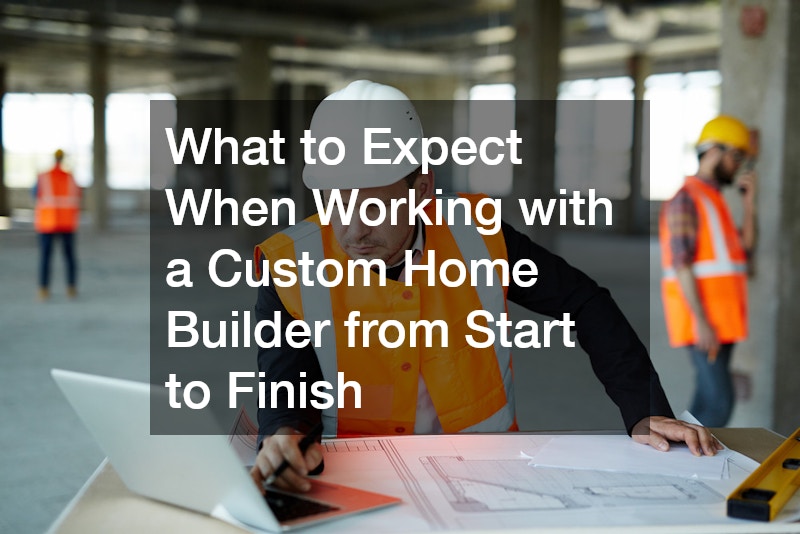
What to Expect When Working with a Custom Home Builder from Start to Finish
Introduction
Building a home from the ground up is one of the most exciting—and sometimes overwhelming—experiences a homeowner can take on. Unlike buying an existing property, working with a custom home builder allows you to shape every detail of your living space, from the layout and finishes to the functionality and long-term efficiency. It’s a chance to create something uniquely yours, designed around your lifestyle today and your needs for years to come.
At the same time, the process involves many moving parts. There are decisions to make, timelines to manage, and professionals to coordinate. Without a clear understanding of what to expect, it’s easy to feel lost or uncertain at different stages. That’s why having a roadmap is so important.
This guide walks you through the entire journey—from initial planning to move-in day—so you know exactly what to expect when working with a custom home builder and how to make the most of the experience.
For many homeowners, building a custom home is not just about aesthetics—it’s about creating a space that supports their daily routines and future goals. Whether you’re designing a home for a growing family, planning for aging in place, or simply wanting more control over quality and materials, a custom build offers unmatched flexibility. You’re not limited by existing layouts or outdated features; instead, you have the freedom to design with purpose.
Additionally, working with experienced professionals provides an opportunity to incorporate modern innovations that improve comfort and efficiency. From energy-saving construction methods to smart home technology, today’s custom homes can be tailored to meet both practical and environmental priorities. By understanding the process ahead of time, you’ll be better prepared to make informed decisions, communicate effectively, and ultimately enjoy a smoother, more rewarding building experience.
It’s also worth noting that every custom build is unique, meaning no two timelines or experiences are exactly the same. Factors such as weather, material availability, and design complexity can all influence the schedule. Having realistic expectations from the beginning helps reduce stress and keeps the project moving forward smoothly.
1. Initial Planning and Vision
Every successful custom home project starts with a clear vision. Before meeting with a builder or designer, take time to think about how you want your home to function. Consider your daily routines, family size, hobbies, and long-term plans. Do you need a dedicated home office? A spacious kitchen for entertaining? Extra storage or flexible living areas?
This is also the time to decide whether your project will be entirely new construction or tied into a larger home renovation strategy. Some homeowners choose to rebuild on an existing lot, blending new construction with elements of their current property.
Gathering inspiration is another key step. Look through magazines, online galleries, and social media platforms to find styles, layouts, and features you like. Creating a mood board or folder of ideas can help you communicate your vision more effectively later on.
While it’s important to dream big, it’s equally important to stay grounded. Understanding your priorities and distinguishing between “must-haves” and “nice-to-haves” will help guide decisions throughout the process.

2. Budgeting and Financing
Once you have a general vision, the next step is establishing a realistic budget. This is one of the most important aspects of the entire project, as it influences every decision moving forward.
Your budget should include more than just construction costs. Be sure to account for land acquisition, design fees, permits, materials, labor, landscaping, and interior finishes. It’s also wise to include a contingency fund—typically 10–15% of your total budget—to cover unexpected expenses.
Financing a custom home often involves a construction loan, which is different from a traditional mortgage. These loans typically cover the cost of building and are converted into a standard mortgage once the home is complete. Working with a lender early on will help you understand your borrowing capacity and monthly payment expectations.
Experienced custom home builders can be valuable partners during this stage. They can provide cost estimates, suggest alternatives to stay within budget, and help you prioritize features that offer the most value.
3. Selecting the Right Builder
Choosing the right professional is critical to the success of your project. A reliable custom home builder will not only bring your vision to life but also guide you through each phase with clarity and confidence.
Start by researching builders in your area. Review their portfolios, paying attention to the quality of their work and whether their style aligns with your preferences. Ask for references and, if possible, visit completed homes or ongoing projects.
Make sure the builder is licensed, insured, and experienced in custom construction. Communication is key—your builder should be transparent, responsive, and willing to answer your questions.
It’s also helpful to meet with multiple builders before making a decision. Comparing approaches, timelines, and pricing will give you a better sense of who is the best fit for your project.
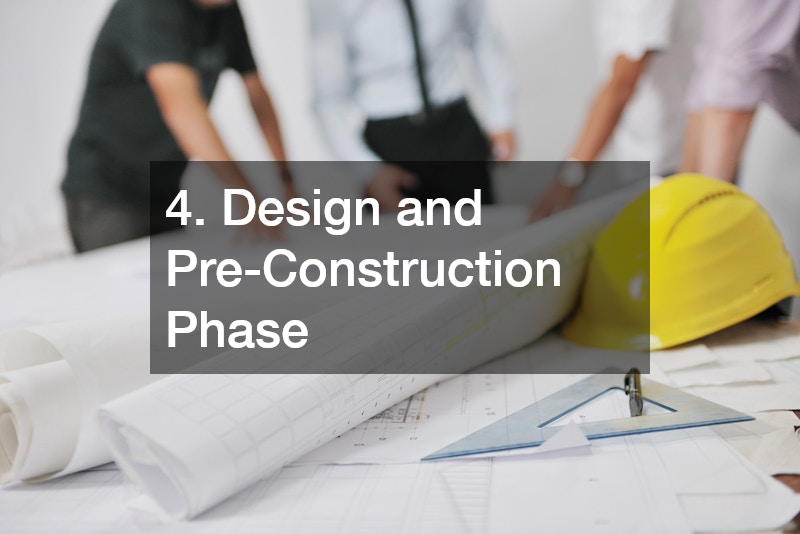
4. Design and Pre-Construction Phase
Once you’ve selected a builder, the design phase begins. This is where your ideas are translated into detailed plans and specifications.
You’ll work with architects and designers to create blueprints that outline the layout, structure, and features of your home. During this stage, you’ll make decisions about room sizes, ceiling heights, window placement, and overall flow.
Material and finish selections are also finalized here. From flooring and cabinetry to lighting and fixtures, every detail contributes to the final look and feel of your home. If your design includes large windows or custom glass features, consulting a glass company ensures proper installation and energy efficiency.
Your builder will also develop a construction timeline and handle the permitting process. While this phase may take time, thorough planning helps prevent delays and costly changes later on.
5. Site Preparation and Foundation Work
With plans approved and permits secured, construction officially begins. The first step is preparing the site.
This involves clearing the land, leveling the area, and setting up essential utilities such as water, electricity, and drainage systems. Proper site preparation ensures a stable base for the home.
Next comes the foundation, which may be a slab, crawl space, or basement depending on your design and location. The foundation is poured and allowed to cure before construction continues.
Inspections are conducted to ensure everything meets local building codes. While this stage may not be visually exciting, it’s one of the most important steps in ensuring the long-term stability of your home.
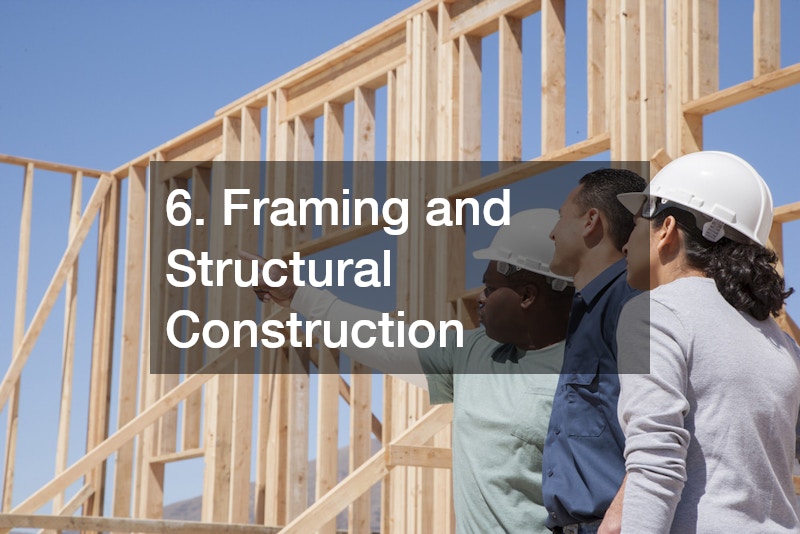
6. Framing and Structural Construction
Framing is where your home begins to take shape. The structure of the house—including walls, floors, and roof—is built according to the approved plans.
This is often the stage where homeowners feel the most excitement, as they can finally walk through the layout and see their vision coming to life. Rooms become visible, and the overall scale of the home becomes clear.
Windows and exterior doors are installed, and the home is “dried in,” meaning it is protected from weather conditions. A roofing company is typically involved at this stage to install and secure the roof, ensuring durability and protection.
Structural inspections are completed to verify that everything meets safety standards before moving forward.
7. Mechanical Systems Installation
With the structure in place, attention turns to the systems that make your home functional.
Plumbing, electrical wiring, and HVAC systems are installed behind the walls and beneath the floors. This stage requires precision, as these systems are critical to the home’s performance.
Energy efficiency is a major focus here. A professional insulation service helps regulate indoor temperatures, reduce energy consumption, and improve overall comfort.
This is also the time to incorporate smart home features, security systems, and other modern technologies that enhance convenience and functionality.
8. Interior and Exterior Finishes
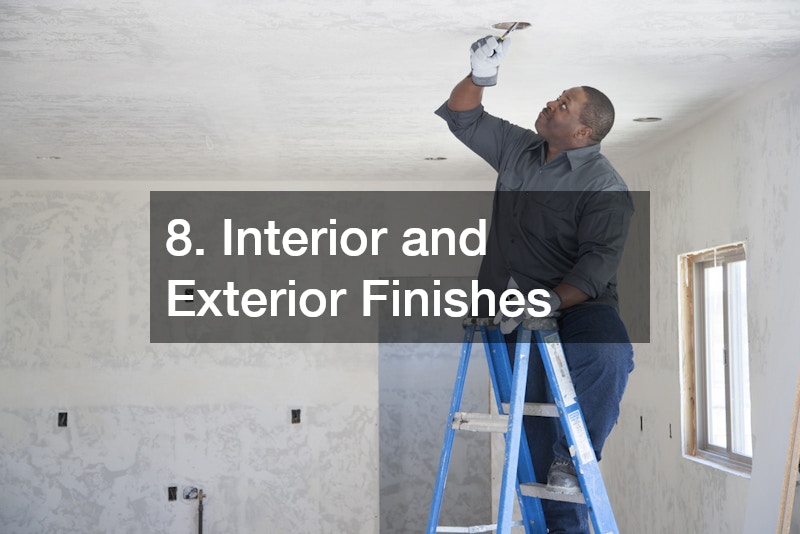
As construction progresses, your home begins to look more complete. Drywall is installed, followed by painting, flooring, and cabinetry.
A kitchen remodeler may play a key role in designing and installing one of the most important spaces in your home. From layout to finishes, the kitchen is often the centerpiece of modern living.
On the exterior, siding, landscaping, and drainage systems are completed. A gutter company ensures proper water management, protecting your home from potential damage.
If your project includes additional structures, a garage builder can construct a custom garage that matches your home’s design and provides valuable storage or workspace.
This phase is where your design choices truly come to life, transforming the structure into a personalized living space.
9. Specialty Features and Custom Additions
One of the biggest advantages of working with a custom home builder is the ability to include unique features tailored to your needs.
For example, installing a home elevator can improve accessibility and add long-term convenience, especially in multi-story homes. Other custom additions might include outdoor kitchens, home theaters, or built-in storage solutions.
These features require careful planning and coordination but can significantly enhance the functionality and value of your home.
10. Final Walkthrough and Inspections
As construction nears completion, you’ll conduct a final walkthrough with your builder. This is your opportunity to review every detail and ensure everything meets your expectations.
A punch list is created to document any minor issues or adjustments that need to be addressed. Final inspections are also completed to ensure the home complies with all building codes and safety standards.
Your builder will provide important documentation, including warranties and maintenance guidelines, helping you care for your new home moving forward.
11. Move-In and Post-Construction Support
Once all inspections are complete and final touches are made, it’s time to move in. This is the moment when all your planning and effort pay off.
Even after move-in, your builder may offer ongoing support. Many provide follow-up services to address minor issues or adjustments that arise after occupancy.
Regular maintenance is essential to preserving the quality and value of your home. Staying proactive with upkeep ensures your investment continues to perform well over time.
Tips for a Smooth Custom Home Building Experience
To make your experience as smooth as possible, keep these tips in mind:
- Maintain open and consistent communication with your builder
- Stay organized with contracts, timelines, and design selections
- Be flexible and prepared for minor delays or changes
- Trust experienced professionals while staying involved in key decisions
Conclusion
Working with a custom home builder from start to finish is a detailed but highly rewarding process. Each stage—from initial planning and budgeting to construction and final walkthrough—plays a crucial role in bringing your vision to life.
By understanding what to expect, you can approach the journey with confidence and clarity. Partnering with skilled professionals ensures quality results, while thoughtful planning helps you avoid unnecessary stress.
In the end, a custom home is more than just a place to live. It’s a reflection of your lifestyle, priorities, and personal taste. With the right preparation and the right team, you can turn your vision into a home that delivers comfort, functionality, and lasting value for years to come.
Beyond the physical structure, the experience of building a custom home often creates a deeper connection to your space. Every decision you make—from layout to materials—adds a personal touch that simply can’t be replicated in a pre-built home. This sense of ownership and intentional design can enhance your day-to-day living and provide long-term satisfaction.
It’s also important to remember that patience and flexibility go a long way throughout the process. Delays, design adjustments, and unexpected challenges are all part of construction, but staying focused on the end goal helps keep everything in perspective. Trusting your builder, maintaining open communication, and staying involved in key decisions will ensure a smoother experience.
Ultimately, the effort you invest in planning and collaboration pays off in a home that is uniquely yours—built to meet your needs today and adapt with you into the future.
Additionally, the relationships you build throughout the process can be just as valuable as the home itself. Working closely with designers, contractors, and your builder helps create a sense of teamwork that supports better outcomes at every stage. When everyone is aligned on the same vision, it becomes easier to solve problems, make adjustments, and maintain momentum. In the end, the journey of building a custom home often becomes a meaningful experience in itself, not just a means to an end.