
Scheduling multiple home improvement projects can feel overwhelming, especially when each task involves different trades, timelines, and disruptions to daily life. Homeowners often underestimate how easily projects can overlap, creating delays, safety concerns, or unnecessary stress. Without a clear plan, even well-intentioned upgrades can turn into logistical headaches when contractors unintentionally interfere with one another’s work.
The key to successful project coordination lies in understanding how different services interact. Exterior work often depends on weather, while mechanical upgrades require access to specific areas of the home. When these elements are not sequenced properly, progress can stall, materials can be damaged, and timelines can stretch far beyond expectations. Smart scheduling reduces these risks and keeps projects moving efficiently.
This guide is designed to help homeowners plan multiple projects strategically. By breaking down common upgrades and explaining how to space them effectively, you can protect your investment and maintain control over your home environment. Thoughtful coordination ensures that each professional can work efficiently without creating conflicts that slow everything down.
Home improvement projects are often planned with good intentions, yet many homeowners underestimate how quickly multiple upgrades can collide. When several contractors are scheduled without a clear sequence, even straightforward projects can create unnecessary friction. Crews may arrive to see their work area blocked, materials exposed to damage, or previous tasks incomplete. These overlaps do not just affect timelines; they can increase stress, compromise workmanship, and lead to avoidable rework. Understanding how projects interact is just as important as choosing the right professionals. A well-planned schedule respects the natural order of construction and maintenance, allowing each phase to build upon the last without interruption. Homeowners who take the time to map out dependencies gain clarity and confidence before work even begins.
Preparing Your Property Before Work Begins
Before any contractor arrives, preparation is essential to avoid bottlenecks later. Homeowners should assess the scope of all planned projects and identify where materials, equipment, and waste will be managed. Clearing access points, designating storage areas, and planning for debris removal lays the groundwork for smoother execution.
One of the most overlooked aspects of preparation is waste management. Scheduling a residential roll off dumpster rental early ensures that demolition debris, packaging, and discarded materials are removed efficiently. Without proper disposal planning, clutter can restrict access for contractors and create safety hazards.
Early preparation also allows homeowners to anticipate how long disruptions will last. When spaces are organized and expectations are clear, contractors can focus on their work instead of navigating obstacles. Proper planning at this stage sets the tone for every project that follows.
Scheduling Roof Work at the Right Time

Roofing projects often dictate the timing of other exterior improvements. Because roofing affects the entire structure, it should typically be addressed early in the project sequence. Coordinating with a residential roofing contractor before scheduling other upgrades prevents damage to newly completed work.
Weather considerations are critical when planning roof work. Delays caused by rain or extreme temperatures can push back dependent projects. Homeowners should build buffer time into their schedules to accommodate unpredictable conditions.
Once roofing is complete, other trades can work confidently without concern for falling debris or access restrictions. Addressing the roof first protects the home’s interior and creates a stable foundation for subsequent improvements.
Coordinating Interior Systems Without Conflict
Interior systems require careful scheduling to avoid disruptions across multiple areas of the home. When working with plumbing companies, homeowners should ensure that walls, floors, and ceilings are accessible before cosmetic work begins. Plumbing adjustments often involve opening surfaces that could interfere with later finishes.
Clear communication about timelines is essential. Plumbers need uninterrupted access to specific areas, and overlapping trades can slow progress. Scheduling plumbing work early prevents rework and unnecessary delays.
Once plumbing systems are updated, homeowners can confidently move forward with structural or aesthetic upgrades. Thoughtful sequencing minimizes disruption and ensures that essential systems function properly before final touches are applied.
Timing Outdoor Living Projects Strategically

Outdoor upgrades add value and enjoyment, but timing is critical to avoid conflicts. Projects such as custom decks should be scheduled after major exterior structural work is complete. This prevents damage from heavy equipment or falling materials.
Weather and seasonal usage should also factor into scheduling decisions. Planning outdoor projects during favorable conditions allows contractors to work efficiently while minimizing delays. By spacing outdoor improvements appropriately, homeowners protect their investment and ensure that each project enhances the property without interference from other work.
Managing Multiple Trades on the Exterior
Exterior work often involves several professionals working in close proximity. Coordinating exterior contractors requires clear timelines and defined work zones to prevent overlap. Without proper sequencing, trades can block each other’s access or damage completed work.
Homeowners should designate specific timeframes for each exterior task. This approach allows contractors to focus on their responsibilities without rushing or competing for space. Clear communication and realistic scheduling keep exterior projects moving smoothly. When each trade has dedicated access, efficiency improves and conflicts are minimized.
Planning Wall and Surface Updates Carefully
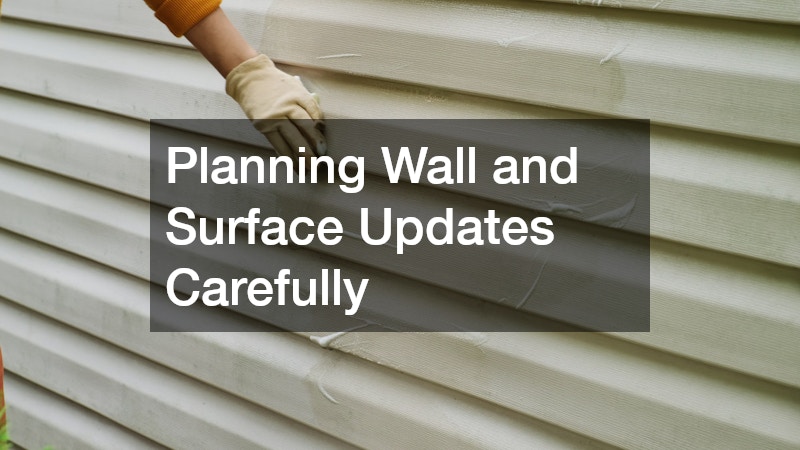
Surface upgrades require precision and timing. Scheduling siding replacement before decorative finishes ensures that underlying structures are secure. Siding work often involves removing existing materials, which can impact adjacent projects.
Homeowners should avoid overlapping siding work with window or door installations. Giving each project its own timeframe reduces the risk of damage and ensures proper installation. Once siding is complete, additional exterior enhancements can proceed without concern. Proper sequencing protects materials and maintains consistent progress.
Avoiding Conflicts With Climate Control Projects
Mechanical systems require clear access and uninterrupted work periods. When scheduling air conditioning services, homeowners should ensure that exterior and interior access points are unobstructed. Overlapping projects can limit technician mobility and slow progress.
Temperature considerations also matter. Scheduling climate control upgrades during mild seasons allows testing and adjustments without extreme conditions. By isolating mechanical work from other projects, homeowners ensure efficient installation and reduce the likelihood of delays or rework.
Choosing the Right Order for Exterior Finishes
Finishing touches should always come after structural work is complete. guttersandsiding.com’> Coordinating with vinyl siding contractors once major exterior tasks are finished protects the appearance and integrity of the home.
Siding installation requires precision and clean surfaces. Scheduling it too early can lead to damage from other trades or equipment. When siding is installed at the right stage, it enhances curb appeal and seals the home effectively. Thoughtful timing preserves both function and aesthetics.
Beyond timing, homeowners should consider how exterior finishes affect long-term durability and maintenance. Finishing stages are often where projects visually come together, which can tempt homeowners to rush them. However, patience at this stage protects both craftsmanship and materials. Allowing adequate curing, sealing, and inspection time ensures finishes perform as intended over time. Homeowners should also confirm that all underlying systems are finalized before installation begins. This includes verifying flashing, moisture barriers, and structural elements that could require later access. Scheduling a walkthrough before finishing work starts can prevent overlooked issues. When finishes are applied after all foundational tasks are complete, they serve as a protective layer rather than a temporary surface. This approach reduces future touch-ups and preserves the home’s appearance. Thoughtful sequencing at this stage enhances both performance and visual consistency, ensuring that exterior upgrades remain intact and effective for years to come.
Scheduling Heating Upgrades Without Disruption

Heating systems are essential for comfort and safety. Planning furnace installations should account for seasonal needs and interior access requirements. Scheduling these upgrades during off-peak seasons reduces stress and improves availability.
Clear communication about timelines ensures that other interior projects do not interfere. Heating work often involves multiple areas of the home, requiring unobstructed access. By scheduling heating upgrades strategically, homeowners maintain comfort while avoiding unnecessary disruptions to other projects.
Heating upgrades often affect daily comfort, making communication and planning especially important. Homeowners benefit from preparing their living space ahead of time by clearing access paths and identifying temporary comfort solutions if needed. Coordinating schedules so work occurs during predictable periods minimizes disruption to routines. It is also helpful to understand the scope of work in advance, including how long systems may be offline and which areas of the home will be impacted. Creating a temporary plan for heating alternatives or adjusted schedules reduces stress during installation. After completion, allowing time for system testing and adjustments ensures optimal performance. Homeowners who build flexibility into this phase experience fewer surprises and smoother transitions. Proper preparation turns what could be an inconvenient process into a manageable upgrade that supports long-term comfort.
Protecting Drainage Systems During Upgrades
Drainage components play a vital role in protecting the home’s foundation. Coordinating work involving gutters after roofing and siding projects ensures proper alignment and function.
Installing drainage systems too early can result in damage from falling debris or adjustments made during other exterior work. Timing this step carefully preserves system integrity. Once drainage systems are installed, homeowners can feel confident that water is directed safely away from the structure. Proper sequencing prevents costly repairs and long-term issues.
Drainage systems are often underestimated until problems arise, making careful coordination essential. Homeowners should take time to understand how water flows around their property and how upgrades may temporarily alter that flow. During multi-project renovations, temporary solutions such as diversion channels or protective coverings can prevent erosion or pooling. Monitoring conditions after heavy rainfall provides valuable insight into whether adjustments are needed. Scheduling inspections once work is complete helps confirm that drainage performs correctly. Small misalignments can lead to larger issues if left unaddressed. By prioritizing protection and verification, homeowners safeguard their foundation and landscaping. Proactive attention at this stage prevents long-term damage and reinforces the value of proper sequencing during exterior improvements.
Successfully managing multiple home improvement projects requires more than good intentions. Strategic scheduling, clear communication, and thoughtful sequencing are essential to preventing conflicts between contractors. When projects are planned with dependencies in mind, progress becomes smoother and more predictable.
Homeowners who take time to organize their timelines protect both their property and their peace of mind. Each project benefits from uninterrupted work and proper access, reducing the risk of delays or damage.
By approaching home upgrades with a coordinated plan, homeowners can achieve lasting results without unnecessary stress. Smart scheduling ensures that every improvement contributes to a cohesive, well-executed outcome that enhances comfort, value, and functionality.
Even with careful planning, timelines may shift due to weather, material availability, or unforeseen repairs. Homeowners who remain flexible and communicative are better equipped to handle these changes. Maintaining a centralized schedule with buffer periods allows adjustments without derailing progress. Regular check-ins with contractors help identify potential conflicts early. When delays occur, revisiting priorities ensures that critical tasks remain on track. Viewing scheduling as an evolving process rather than a fixed plan reduces frustration. Confidence grows when homeowners understand that adaptability is part of successful project management. Clear documentation and realistic expectations support smoother transitions between phases. With a proactive mindset, overlapping timelines become manageable rather than overwhelming.
At its core, successful project scheduling is about respecting the complexity of your home and the professionals working on it. Each system, surface, and structure is interconnected, and overlooking those relationships often leads to frustration. Homeowners who approach renovations with patience and foresight are better positioned to make informed decisions when adjustments are needed. Rather than reacting to conflicts as they arise, a structured plan allows for thoughtful responses that keep progress moving forward. Clear documentation, open communication, and realistic expectations form the backbone of effective coordination. These habits not only improve results but also reduce the emotional toll renovations can take. Over time, homeowners who manage projects strategically gain valuable experience that carries into future improvements. The confidence built through successful scheduling empowers better planning, smoother collaboration, and stronger outcomes. Ultimately, the goal is not just a completed project, but a process that feels controlled and purposeful. When contractors are given the space and sequence they need to work efficiently, the home benefits from higher quality results. Smart scheduling transforms renovation challenges into opportunities for organization, learning, and long-term satisfaction.